A Real Designer's Review of the "Best Mom Ever" Design
When you’re evaluating a digital design for embroidery, especially one with an emotional hook like “Best Mom Ever,” it’s crucial to move beyond the initial sentiment. As a designer who regularly translates files into stitched products for clients and my own shop, my first question is always: how will this actually perform in a hoop? Let’s walk through that practical lens.
The Immediate Mood and Layout
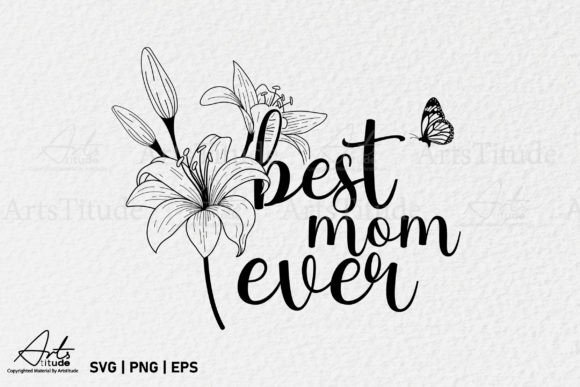
The title itself sets a clear, affectionate, and celebratory tone. This isn’t a subtle design; it’s a declaration. For embroidery, that’s a good starting point—it promises a project that will be instantly understood and appreciated. The layout implied by the title suggests a central, bold statement, likely meant to be the hero of the piece. This straightforward, message-first approach makes it a natural fit for gifts and merchandise where the sentiment is the primary selling point.
Imagine pulling this design up on your screen. You’re thinking about stitching it onto a linen tea towel for a Mother’s Day gift, or the center of a cozy sweatshirt. The personality is warm and direct. It feels like it belongs on items meant for personal use or heartfelt gifting: tote bags, aprons, pillow covers, or a simple framed patch. The detail level, from the description, seems clean—likely relying on strong lettering or a simple graphic motif to carry the message without overly intricate details that can become muddy in thread.
Where This Design Thrives in Embroidery
My mind jumps to specific applications. A custom embroidered tote bag for a mom—it’s a classic, and this design would sit perfectly centered, becoming a daily-use item she’d cherish. On a baby’s blanket or a child’s jacket, embroidered as a gift from grandma, it transforms a simple garment into a keepsake. For small business owners, like Etsy sellers focusing on personalized gifts, this design is a ready-made asset for holiday seasons. It could easily be the focal point on a curated set of kitchen towels, a simple cap, or a decorative pillow in a boutique home decor line.
The provided SVG and PNG files are the key. The SVG format is essential for clean scaling in your embroidery software, allowing you to adjust size for different hoop dimensions without loss of quality—from a small 4x4 hoop for a patch to a larger area on a sweatshirt. The PNGs, particularly the black versions, are invaluable for creating printable mockups for your online listings, letting potential buyers visualize the finished product on a mug, phone case, or card before you even stitch it. This directly impacts customer trust and engagement; a professional mockup suggests a professional finished product.
Considering Stitching Clarity and Product Value
In real embroidery, clarity is currency. For a design like this, the stitching needs to be crisp to uphold the positive message. On a dark fabric, like a navy blue sweatshirt, you’d need to plan your thread color contrast carefully—a bright white or a soft pastel satin stitch for the letters would make it pop. On a light baby onesie, a richer color would add warmth. The stitch density matters; too dense fill stitches on thin t-shirt fabric could lead to puckering, while a smart combination of satin stitch for letters and a lighter fill or running stitch for any accompanying graphic elements would keep the piece wearable and durable.
This directly affects the perceived value of your handmade product. A clean, well-executed embroidery of a universally loved message elevates a simple item. It feels intentional and professional, which supports brand consistency for a maker. For a crafter, it turns a blank tea towel into a gift a mother will actually use and show off.
Points for Careful Application
No design is universally perfect, and a practical review requires honest constraints. With a phrase-based design, small lettering details are the first thing I examine. If the design includes any tiny serifs or condensed spaces within the letters, they might not stitch cleanly on textured fabrics like a sweater or on curved surfaces like a cap. Testing on scrap fabric of the same type is non-negotiable here.
Stretchy fabrics and items that need frequent washing, like aprons or baby clothes, demand extra attention. You’ll need the right stabilizer to ensure the design holds its shape and the stitches don’t tension over time. For very small hoop sizes, the entire design might need simplification—some details might need to be omitted to retain clarity. Also, working on dark fabric backgrounds requires meticulous thread choice and sometimes a different approach to stabilizer to prevent shadowing of the design outline.
Think about the end-use. An embroidered patch with this slogan is fantastic, but if it’s too dense, it could be stiff. A lightweight, wearable patch for a jacket might require a lighter stitch density than a decorative pillow cover. Always match the technical execution to the product’s function.
Practical Notes From the Hoop
Before I commit this to a client’s order or my shop inventory, my process is straightforward. First, I test the design on scrap fabric—the exact fabric I intend to use for the final product. This reveals everything: how small details translate, how the thread colors interact with the background, and whether the overall size feels balanced for the item.
I check it in both black and white digital mockups to see how it reads as a graphic, which helps plan for light and dark fabric applications. I confirm my hoop size can accommodate the design at the scale I want, and I review the stitch paths in my software to see if any areas are overly complex or likely to cause jumps that need trimming. Crucially, I verify the licensing for the digital file. The description doesn’t specify license terms, so it’s imperative to confirm whether using this embroidery file for commercial projects—selling the finished tote bags or sweatshirts—is permitted. This protects your business and respects the designer’s work.
Finally, I consider its role in a larger collection. For a creative entrepreneur, this “Best Mom Ever” design could be part of a themed Mothers Day line, paired with other familial sentiment designs, creating a cohesive offering for your customers. It’s not just a file; it’s a potential product line anchor.
The Final Stitch: A Confident Choice for Meaningful Projects
Reviewing “Best Mom Ever” as an embroidery designer, I see a design with strong, practical utility for creators. Its emotional core is its biggest asset, and its likely clean execution makes it a reliable choice for a wide array of projects. It’s a design that, when stitched with care on the right product, will genuinely delight the end recipient—whether that’s a client’s mother, a customer in your shop, or your own family. It reminds us that in the craft business, the best designs are those that carry both a clear message and the technical potential for a beautifully crafted finished product.