A Real-World Review of the Mom Knows Best Retro Embroidery Design
When a new embroidery file lands in my library, I'm not just looking at the preview on my screen. I'm imagining it stitched out, on fabric, in a hoop. I'm thinking about how it will feel in my hands, how the thread will lay, and what kind of project it will truly elevate. The Mom Knows Best Retro SVG design immediately caught my eye for its personality. Let's walk through what makes this design work—or where you might need a little extra care—for real embroidery projects.
The Instant Mood: Nostalgic, Warm, and Unmistakably Sweet
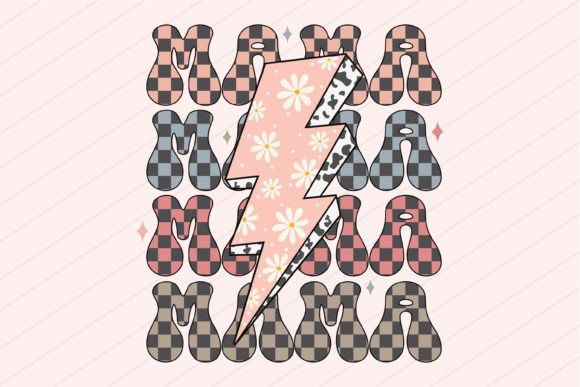
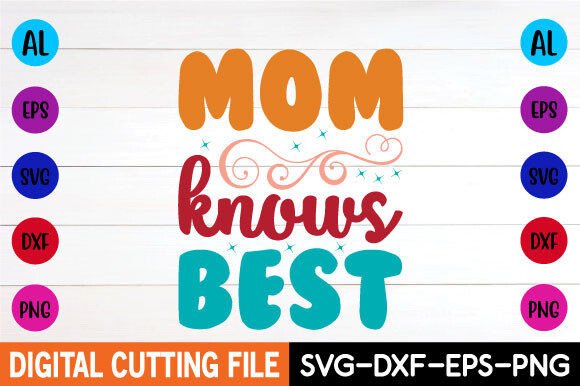
The first thing you notice is the vibe. This isn't a sleek, modern graphic. It’s nostalgic. The retro styling, with its implied script and classic theme, creates a sense of warmth and familiarity. It feels personal before you even stitch it. That’s a powerful starting point for any embroidery project aimed at gifts or custom apparel. The layout isn't overly complex; it suggests a focal point without being too dense. This is a design that speaks clearly. Its visual personality is sweet and affirming, perfect for items meant to convey love, appreciation, or a family connection.
Where This Design Naturally Belongs
I picture this design thriving on cozy, tangible items. It’s a natural fit for a heartfelt gift. Imagine it embroidered on the corner of a soft baby blanket or a nursery pillow cover. It would shine on a classic apron, a sentiment that feels right in the kitchen. For a small shop product, it could beautifully adorn a high-quality tote bag or a simple, well-made sweatshirt. The theme resonates across generations, so it works for items intended for moms, daughters, or as a wedding gift from a child. In my mind, I'm already preparing a custom embroidered patch to applique onto a denim jacket for a client—the retro feel pairs perfectly with that fabric.
Performance on Actual Projects: Stitching Considerations
Moving from the idea to the machine, the design's simplicity is its strength for most real-life embroidery situations. For standard projects on stable fabrics like cotton twill (for bags), mid-weight cotton (for tea towels or pillow covers), or standard sweatshirt material, this should stitch out cleanly. The likely use of satin stitches for the lettering and fill stitches for any decorative elements means paying attention to stitch density on thinner fabrics. Always, always test the design on scrap fabric first.
For baby clothes or any lightweight, stretchy knit, you'll need a robust stabilizer to prevent puckering, especially if the design has areas of concentrated stitching. The same goes for dark fabric; check your thread color contrast in a mockup. A bold white or pastel thread on navy can make this pop beautifully.
The Tricky Spots: Where to Apply Extra Attention
Not every project is a perfect flat canvas. This design, with its presumably cursive or script elements, requires care on small hoop sizes. If you're aiming for a tiny design on a cap's curved front or a child's small shirt pocket, the detail in the lettering might get lost or become fuzzy. Inspect small details in your software preview at the actual size you plan to stitch. Detailed corners and any tiny accents could benefit from a slight reduction in stitch count if you're going very small.
For textured fabrics like terry cloth (for a cute hooded baby towel) or a thick, napped blanket, the design's clarity might soften—this can actually be a lovely, soft look, but it's not ideal if you need crisp edges for a professional branded merchandise look. On curved surfaces like caps, ensure your stabilizer and hooping technique are flawless to maintain the design's integrity.
How This Design Translates to Customer Appeal and Value
Beyond the stitch, we're creating a finished product. How does this file help? The warm, retro mood directly boosts giftability. A product with this embroidery feels thoughtful and custom-made, which enhances customer trust in your handmade presentation. For an Etsy seller or craft business, using a design with such clear emotional resonance can improve buyer engagement. It tells a story on the product itself.
For apparel decorators or small shop owners, it offers a ready-made design asset that can be part of a consistent line. Imagine a series of items for Mother's Day or family-themed gifts. This design aids brand consistency for a boutique focused on nostalgic, heartwarming goods. When stitched cleanly on a quality item, it raises the perceived value. It looks professional and intentional.
A Practical Scenario: Preparing a Holiday Gift Tote Bag
Let's walk through a real case. I'm considering this for a limited-run holiday gift: an embroidered canvas tote bag. I'll choose a natural canvas, a sturdy fabric that holds embroidery well. My first step is to test it on scrap canvas. I'll check if any areas are too dense, risking a stiff feel on the bag. I'll run a black and white mockup to see the form clearly, and then compare thread palettes for both light and dark fabric backgrounds—perhaps a cream thread on natural, and a gold thread on a dark green bag for Christmas.
The design's message is perfect for a gift from a child to a mother, so I know the visual appeal is right. I'll ensure my hoop is large enough to keep the script smooth. After stitching, the result should be a product that feels premium, personal, and sells on emotion as much as craftsmanship. That's the power of a well-chosen embroidery file.
Essential Designer Notes Before You Stitch or Sell
Before you commit thread to fabric or list a product in your shop, here are my grounded recommendations. First, clarify the fundamentals you cannot see in a picture. Confirm licensing before selling finished items. The product description indicates it's a cutting file, so understand its intended use and any restrictions for commercial embroidery. Check whether the design is suited for machine embroidery as an applique or stitched design, and confirm the hoop size requirements from the file itself.
Always review stitch density in your software. For products needing frequent washing, like kitchen towels or baby items, a less dense stitch pattern will hold up better over time. Use a proper stabilizer matched to your fabric; this is non-negotiable for clarity. Finally, test it in both personal and commercial project contexts. Stitch it out. See it in person. Does the stitching clarity meet your standard for a paid client order or a product you'll list at a premium price?
The Mom Knows Best Retro SVG has the foundational charm to be a versatile asset in your embroidery toolkit. Its success hinges on your practical application: matching it to the right fabric, the right scale, and the right project intent. With that care, it can transform from a digital embroidery file on your computer into a truly beloved handmade product.