Evaluating Basketball Mom Life SVG for Real Embroidery Projects
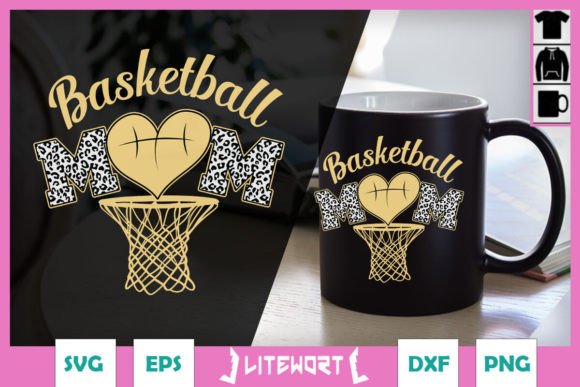
As a designer who works with embroidery files daily, my first instinct when I see a new design is to picture it stitched out. Not on a screen, but on fabric. The Basketball Mom Life Messy Bun SVG immediately creates a mood of casual, proud, and relatable humor. The playful layout and the central motif of the messy bun speak directly to a specific, beloved community. This isn’t just a graphic; it’s a badge of identity.
A Design Built for Real-Life Wear and Use
This design feels destined for personalization. Imagine you’re preparing a custom sweatshirt for a client who coaches her kid’s team. The theme is instantly recognizable and endearing. When stitched, the clean lines and balanced composition should translate well into stitches, creating a focal point that’s bold but not overly dense. I’d naturally lean toward placing this on the left chest of a sweatshirt, the back of a tote bag, or even as a featured element on a tea towel for a kitchen gift. It has that “everyday celebration” vibe perfect for casual apparel and useful homemade products.
Where This Embroidery File Finds Its Best Home
In practical application, this design will shine on sturdy, everyday items. Think about a cozy blanket for a basketball family, a durable apron for those snack-table duties, or a simple, high-quality cotton tee. It’s a strong candidate for caps and hats, provided the curved surface can accommodate the design’s width, and it would make a fantastic, sentiment-driven patch that could be applied to anything. For small business merchandise or Etsy listings targeting sports parents, this file is a ready-made brand asset. It adds personality to a product without requiring complex customization from the buyer.
Navigating the Practical Stitching Considerations
Every embroidery design has its sweet spots and its careful zones. With a design like this, the clarity of the lettering and the details within the bun icon are paramount. On dark fabric, you’ll need to plan your thread color contrast carefully—a bright, contrasting fill stitch for the text will be essential for readability. On thin or stretchy fabrics like some t-shirts, a good, appropriate stabilizer is non-negotiable to prevent puckering and to maintain the design’s crisp shape.
I’d be cautious about scaling this down too much for very small hoop sizes. The charm lies in its readable, friendly presence. Reducing it significantly might compromise the detail in the bun and make the smaller lettering stitch out less clearly. Always test on scrap fabric first, mimicking the final project’s material. This step tells you everything: how the satin stitches behave, whether the fill areas feel too dense, and how the overall balance looks in thread and fabric, not just on a digital mockup.
Scenarios That Demand Extra Attention
When considering baby clothes or items needing frequent, harsh washing, you’d want to evaluate stitch density. A slightly lighter density can make the design more durable and comfortable on delicate garments. For curved surfaces like caps, the layout’s width might need adjustment to fit the panel smoothly. And for any commercial embroidery project or product you plan to sell, the foundational step is always to confirm the licensing terms of the file. Understand your rights for producing and selling the finished product before you stitch the first sample.
The Impact on Your Project’s Value and Appeal
Using a well-crafted embroidery file like this does more than decorate a item; it elevates it. For a handmade product or personalized gift, it conveys a thoughtfulness that generic prints can’t match. The embroidered texture adds tactile value and a sense of craftsmanship. For a small shop product, it builds customer trust through quality and relevance—you’re offering something that resonates personally. A mom seeing this on a tote bag isn’t just seeing a bag; she’s seeing a recognition of her life, which builds immediate engagement.
From a designer’s perspective, the visual personality of this machine embroidery design supports brand consistency for creators focusing on family, sports, or humor-themed lines. It’s giftable, it’s recognizable, and when stitched cleanly on the right product, it looks professional. That professionalism isn’t about being formal; it’s about the clear, confident execution that tells your customer the item was made with care.
Essential Designer Notes Before You Hoop the Fabric
- Always run a test stitch. Use a fabric scrap similar to your final project to check for any issues with detail loss or stitch tension.
- Evaluate thread color against your background fabric. Create simple black and white mockups, or stitch small samples on both light and dark backgrounds to judge contrast.
- Consider the product’s end use. Will it be washed often? Worn on a stretchy fabric? Displayed on a pillow? Each use case might suggest slight adjustments in stabilization or stitch type.
- Verify the technical specs for your project. While the product includes versatile file formats, confirm the specific sizing, recommended hoop dimensions, and any format compatibility with your embroidery system before starting a client project or a production run.
- Think beyond the first project. How could this same embroidery file be adapted? Could the bun element be used separately as an applique design? Could the text be stitched in a different color palette for a different sport? Exploring these angles maximizes the value of your digital embroidery file purchase.
Ultimately, the Basketball Mom Life Messy Bun SVG feels like a ready-to-go asset for creators who want to connect with a real, enthusiastic audience. Its strength is in its specific celebration of a shared experience. By stitching it thoughtfully onto well-chosen products, you transform a digital graphic into a tangible, wearable, and relatable piece of everyday pride. That’s the real goal of any good embroidery project: to make something that feels genuinely meant for the person who ends up using it.