A Sailor's Mom: Design Review for Embroidery
I open a design file with a title like 'Just a Mom Who Loves Sailing' and my mind immediately starts picturing it on fabric. This isn't about a digital graphic on a screen; it's about how it will translate into stitches on a real project. As someone who uses embroidery designs daily for client work and my own craft business, my first judgment is always about its practical potential.
The First Impression: Theme and Mood
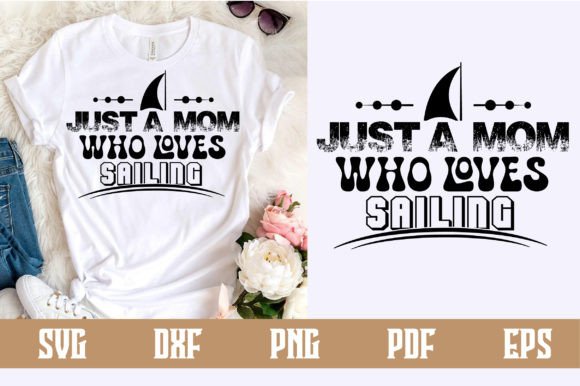
The concept here is wonderfully specific and personal. It’s not a generic sailing motif; it’s a statement of identity. ‘Just a Mom Who Loves Sailing’ carries a mood of quiet confidence and layered passion. It speaks to a person who balances roles but holds a dear hobby close. Visually, you imagine a design that could be playful, elegant, or modern, depending on the execution implied by the SVG layers. The layout likely needs to accommodate the full phrase clearly, so it naturally feels like a design destined for a larger, statement piece rather than a tiny accent.
From a designer's perspective, this theme belongs on gifts and products meant to celebrate or acknowledge that specific identity. I picture it on a custom sweatshirt for a sailing enthusiast mom, or embroidered onto a tote bag she uses for beach trips. The emotional resonance is high, which is a great starting point for any embroidery project aimed at connection.
Where This Design Finds Its Home
Let’s walk through a real scenario. I’m preparing a custom gift for a client: an embroidered linen pillow cover for a friend who is a new mom and an avid sailor. This design would be a perfect, personal touch. The text is the hero, so I’m thinking about fabric choice—a solid, neutral linen would let the stitches stand out. But I’m also considering product durability. A pillow cover needs to withstand use, so stitch density and stability matter.
More broadly, 'Just a Mom Who Loves Sailing' has strong potential across several categories. For custom apparel, it’s ideal for sweatshirts, t-shirts, and caps, especially as a personalized statement piece. For home goods, think kitchen towels, aprons, or throw blankets in a nautical-themed room. For small business merchandise, a handmade shop selling boutique baby items could use this on a baby blanket or a little jacket for a sailor’s child, creating a beautiful thematic link. It’s a design that adds story value to the finished product.
The Practical Embroidery Considerations
Working with text-based designs requires a careful eye. The word-by-layer structure mentioned in the product description is helpful—it suggests the design might be broken into components, which can aid in color planning and sequencing. However, the success in real-life embroidery hinges on several factors I always check.
First, stitch clarity. The lettering needs to be clear and readable after stitching. If the design has small, intricate script details, they might get lost on textured fabrics like fleece or on curved surfaces like a cap. Testing on scrap fabric first is non-negotiable. Second, scale and hoop size. A phrase this long likely needs a larger hoop area. I wouldn’t try to force this onto a tiny 4x4 hoop; it needs space to breathe and maintain its impact. This naturally makes it better suited for larger items like tote bags, pillow covers, or back-of-sweatshirt embroidery.
Third, fabric and color contrast. On dark fabric, you need to ensure the thread colors (likely whites, blues, or nautical tones) pop. On light fabric, you might want richer colors for definition. The design’s visual appeal depends heavily on this contrast. Using proper stabilizer for the chosen fabric—whether it’s stretchy knit for a t-shirt or thick canvas for a bag—is crucial to prevent puckering and keep those words sharp.
Areas for Caution
Some applications require extra thought. Embroidering this onto thin or stretchy fabric like a fine t-shirt would demand very careful stabilizer use and potentially a lighter stitch density to avoid weighing down the fabric. Applying it as a patch is possible, but the density of the text must be suitable for the backing material. Also, on items that need frequent washing, like tea towels or baby clothes, a robust satin stitch or fill stitch for the letters will hold up better than a delicate running stitch outline. I’d advise checking the actual stitch types in the embroidery file before committing to a high-use item.
The Value to Your Craft Business
From a commercial perspective, this design isn't just a graphic; it’s a design asset. For an Etsy seller creating personalized gifts, it fills a niche request. For an apparel decorator, it offers a ready-made concept for a customer segment. Its specificity actually boosts customer trust—it feels made for them, which enhances the handmade presentation and giftability of your final product.
Using it in digital product previews or printable mockups for your online shop can show potential buyers exactly how it might look on a sweatshirt or bag, driving engagement. For your brand, if you specialize in nautical or family-themed items, it reinforces your consistency. However, a key professional note: always confirm the licensing terms of the digital embroidery file. The product description states it's a digital download, but you must verify if it’s cleared for commercial use, allowing you to sell the physical items you embroider with it, or if it's for personal use only. This is a fundamental step before integrating any design into your business inventory.
Final Designer Notes Before You Hoop It
My process with a design like this always ends with a practical checklist. I’d run a test on a fabric similar to my final project. I’d review the stitch density in the file to see if it’s appropriate for my chosen material. I’d check the small details, especially any decorative accents around the text, to ensure they’ll stitch out cleanly. I’d compare how it looks in a simple black-and-white mockup against both light and dark backgrounds to plan my thread palette.
'Just a Mom Who Loves Sailing' is a design with a clear heart and a strong target audience. Its success in your embroidery project will come from honoring that personal theme with technically sound execution. Match it with the right product, prepare your machine and materials with care, and you’ll create a finished piece that feels both professional and deeply personal—the best kind of result in our craft.